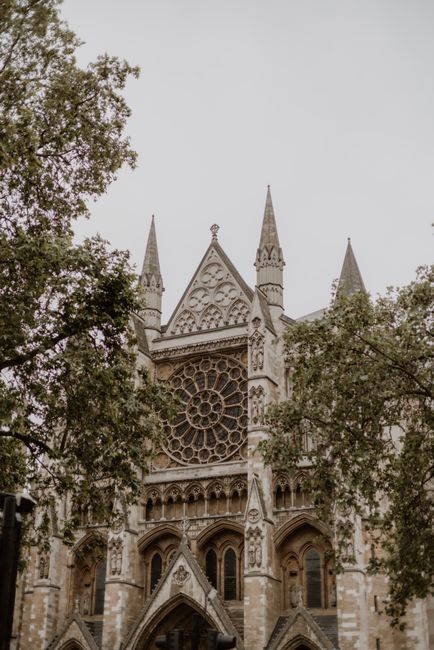
Guide to choosing flowers for Westminster Abbey weddings
Posted on 05/10/2026
Choosing flowers for a Westminster Abbey wedding is not just about picking something pretty and hoping for the best. The Abbey is one of London's most iconic ceremony settings, so the flowers need to feel elegant, considered, and quietly respectful of the space. You want arrangements that complement the architecture, suit the season, and reflect your style without overpowering the moment. Easy to say, not always easy to do.
This guide walks you through the full process of choosing flowers for Westminster Abbey weddings, from practical venue considerations and bouquet styles to colour palettes, buttonholes, table flowers, and the kind of planning that saves stress later. If you are trying to balance beauty, tradition, and real-world logistics, you are in the right place.
- Quick takeaway: think refined rather than excessive.
- Best results: work with the Abbey's setting, not against it.
- Most useful approach: choose a floral scheme that looks beautiful in person, in photographs, and in a historic church interior.
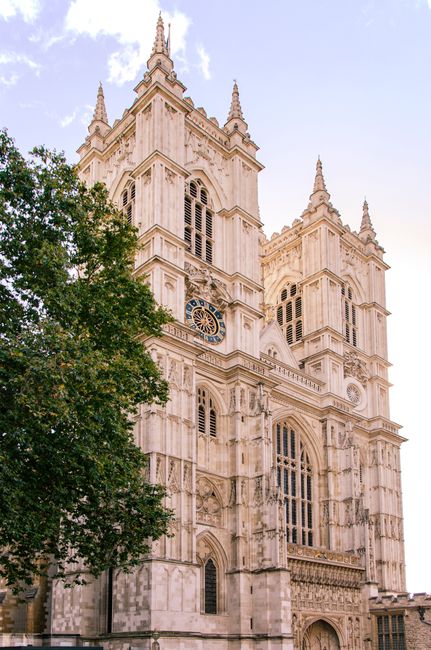
Table of Contents
- Why Guide to choosing flowers for Westminster Abbey weddings Matters
- How Guide to choosing flowers for Westminster Abbey weddings Works
- Key Benefits and Practical Advantages
- Who This Is For and When It Makes Sense
- Step-by-Step Guidance
- Expert Tips for Better Results
- Common Mistakes to Avoid
- Tools, Resources and Recommendations
- Law, Compliance, Standards, or Best Practice
- Options, Methods, or Comparison Table
- Case Study or Real-World Example
- Practical Checklist
- Conclusion
- Frequently Asked Questions
Why Guide to choosing flowers for Westminster Abbey weddings Matters
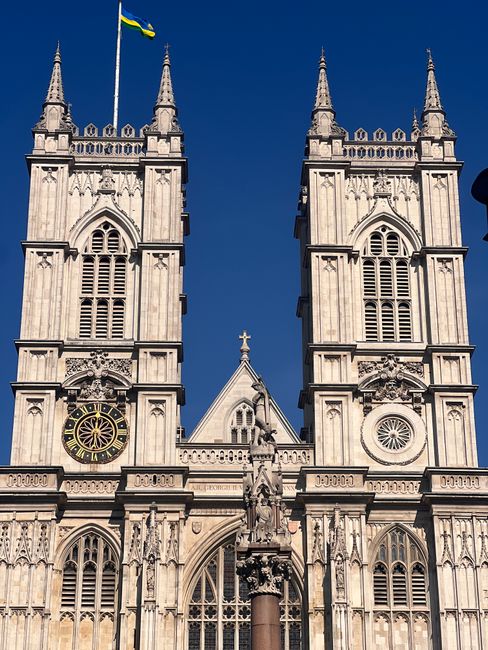
Flowers do more than decorate a ceremony. At Westminster Abbey, they help frame the occasion in a way that feels fitting for the building, the lighting, and the scale of the room. That matters because this is not a blank canvas. It is a historic, visually rich, highly recognisable setting with its own atmosphere, and the wrong floral choices can look oddly small, too busy, or simply out of place.
In practical terms, the right flowers can make the whole day feel calmer. Guests notice the mood as they arrive. Photographs look more cohesive. You also reduce the risk of awkward last-minute changes, which, to be fair, nobody wants when you are already managing guests, timings, outfits, and all the little wedding-day details that somehow multiply overnight.
There is also a trust factor here. A venue like Westminster Abbey naturally calls for careful planning and clear communication. Choosing flowers with the venue in mind shows respect for the setting and makes it easier for suppliers to design something that works beautifully within it.
Expert summary: For Westminster Abbey weddings, the best flowers are usually the ones that feel balanced, elegant, and calm in the space. Think structure, proportion, and seasonality before trendiness.
If you need a wider starting point while comparing floral styles, it can help to look at wedding flowers in Westminster SW1 and see how different arrangements are presented for local ceremonies.
How Guide to choosing flowers for Westminster Abbey weddings Works
The process usually starts with the ceremony itself. Are you planning a formal church wedding with a traditional procession, a simpler service, or a celebration that leans modern but still polished? That first question shapes almost everything else: bouquet size, colour palette, arrangement height, and even the flowers you might avoid.
Next comes the space. Westminster Abbey is grand, atmospheric, and carefully managed. Flowers need to support the architecture rather than compete with it. In practice, that usually means a preference for thoughtful focal arrangements, refined aisle flowers, elegant hand-tied bouquets, and coordinated personal flowers such as buttonholes and bridesmaid bouquets.
Then there is timing. Westminster weddings often involve strict schedules, so fresh flowers need to arrive in the right condition and be assembled efficiently. This is where a florist's experience matters. A beautiful bouquet is lovely. A bouquet that still looks fresh after the service, photographs, and any post-ceremony movement around central London? Much better.
Finally, there is the question of consistency. The bridal bouquet, bridesmaid flowers, groom's buttonhole, table arrangements, and any entrance pieces should all feel like part of the same visual family. Not identical. Just connected. A common mistake is choosing each item separately and ending up with a look that feels slightly scattered.
For couples who want coordinated pieces, the local range of wedding flowers can be a useful reference point when building a full floral plan.
Key Benefits and Practical Advantages
A thoughtful floral plan gives you more than nice pictures. It reduces stress, supports the tone of the ceremony, and makes design decisions easier from the outset. Here are the main advantages in plain English.
- Better visual harmony: flowers that suit the Abbey feel more natural in the venue and in photographs.
- Clearer budgeting: a defined style prevents you from adding random extras that add cost without improving the result.
- Less day-of pressure: when the design is settled early, setup becomes smoother and more predictable.
- Stronger personal expression: the right palette can reflect your story without clashing with the venue's character.
- Improved guest experience: elegant, well-placed flowers quietly elevate the whole ceremony. People feel it, even if they do not put it into words.
There is also a practical side to seasonality. Choosing flowers that are naturally available at the time of your wedding often gives you better quality and fewer compromises. That does not mean you must give up your favourite bloom entirely, but it can mean choosing a seasonal substitute that delivers the same mood. Sometimes the better decision is the slightly less obvious one.
If you are comparing options by style and finish, browse a few bridal-focused pieces such as bridal bouquets, bridesmaid bouquets, and wedding buttonholes to see how the different roles in a ceremony can be coordinated.
Who This Is For and When It Makes Sense
This guide is for couples planning a Westminster Abbey wedding, of course, but it is especially useful if you are:
- trying to match flowers to a formal or heritage venue
- planning from outside London and want clear practical advice before visiting
- working with a relatively tight wedding schedule
- hoping to keep the flowers elegant rather than overly elaborate
- comparing different bridal styles, colour themes, or budget levels
- looking for a florist who understands church ceremonies and central London logistics
It also makes sense if you are the person everyone seems to be asking questions of. You know the one. One minute you are choosing roses, the next minute you are somehow also responsible for transport timings, seating, and whether someone's aunt dislikes lilies. Weddings do that.
For couples wanting a complete look, it is worth considering the broader ceremony set, including a bridal bouquet, bridesmaid flowers, buttonholes, and a small number of statement arrangements rather than too many competing pieces. A focused design often feels more luxurious than trying to fill every available surface.
Step-by-Step Guidance
1. Start with the venue tone
Before picking colours or flowers, think about the feel of the Abbey. The setting is solemn, beautiful, and richly detailed. That usually points toward clean lines, elegant shapes, and flowers that look refined in natural and ceremony lighting. A wildly casual meadow mix can look lovely elsewhere, but in a space like this it may feel less settled.
2. Decide the role of the flowers
Ask what you want the flowers to do. Should they create a romantic frame around the ceremony? Add colour softly? Highlight the couple only, or also the bridal party and tables? Once you know the job of each arrangement, the rest becomes easier.
3. Choose a palette before choosing individual stems
This is one of the smartest ways to avoid floral confusion. A palette gives you a structure. White and green feels classic and architectural. Soft pinks feel romantic. Purples can add depth. Red brings drama, but in a very grand venue it needs careful handling so it does not dominate.
4. Match scale to the space
In a large historic venue, tiny arrangements can disappear. Equally, oversized displays can feel overbearing. The sweet spot is usually somewhere in the middle: enough presence to be visible, enough restraint to feel respectful.
5. Build around the bouquet first
The bridal bouquet often anchors the whole floral story. Once that is set, it is easier to decide on bridesmaid bouquets, buttonholes, and table arrangements. If the bouquet is round and soft, the rest can echo that feel. If it is more structured, the supporting flowers should follow suit.
6. Add the supporting pieces
Buttonholes, corsages, and table flowers are not afterthoughts. They are the pieces that make the whole wedding feel joined up. A simple buttonhole can quietly pull the groom's outfit into the same design language as the bouquet. Small detail, big effect.
7. Confirm logistics and timing
Check delivery windows, setup access, and where the flowers will be placed before the ceremony begins. Westminster weddings tend to reward punctuality. A gorgeous arrangement is only useful if it arrives in the right place at the right time and stays fresh until the vows.
Expert Tips for Better Results
Here are the things that tend to make the biggest difference in real weddings.
- Keep the palette tight. Two or three core colours usually look more polished than five or six.
- Think about the camera. Some flowers read beautifully in person but can disappear in photos. Ask your florist about contrast and shape.
- Use texture carefully. A mix of roses, lisianthus, orchids, and greenery can look rich without feeling busy.
- Choose flowers that hold well. Weddings involve waiting around, moving, hugging, and travelling. Not ideal for the most delicate blooms in peak heat.
- Go seasonal where you can. Seasonal flowers usually bring better quality and a more natural feel.
- Repeat one or two elements. A repeated rose variety or greenery style helps the whole design feel deliberate.
One small thing that people sometimes forget: scent. Some flowers smell wonderful up close but can become a bit much in enclosed ceremonial spaces. It is worth asking how strongly scented a bloom is before you commit. No one wants the flowers to outshine the ceremony, unless they are being particularly dramatic about it.
For more ideas on styles that feel coordinated and elegant, have a look at options such as white bridal bouquets, classic bridal bouquet designs, and matching bridesmaid bouquets.
Common Mistakes to Avoid
Wedding flowers are easy to get wrong in tiny ways that add up. Here are the mistakes we see most often, and why they matter.
- Choosing flowers in isolation: a bouquet, buttonhole, and table arrangement should speak to each other.
- Ignoring venue scale: what works in a small hotel room can vanish in a large abbey setting.
- Overloading the palette: too many colours can make the design look less refined.
- Forgetting the season: forcing out-of-season blooms can create cost and quality issues.
- Leaving logistics too late: central London timing is not the place for guesswork.
- Picking trends over suitability: trendy does not always mean appropriate for a historic venue.
Another common one: assuming all white flowers will look flat. They do not have to. With the right shapes and textures, white arrangements can look luminous and layered, especially in a space with stone, wood, and soft daylight. It's all in the balance.
Tools, Resources and Recommendations
You do not need a complicated system, but a few practical tools make planning much easier.
- A simple mood board: collect images of bouquets, table flowers, and ceremony arrangements that share the same feel.
- A colour reference: note fabric swatches, bridesmaid dresses, suit colours, and any printed stationery.
- A guest and timeline sheet: useful for working out how many buttonholes, corsages, or table pieces you actually need.
- A venue access note: details on delivery, setup, and collection so nothing is left vague.
- A shortlist of substitute blooms: handy if a favourite flower is not available in the exact week you need it.
If you want a broader sense of the floral range available locally, the following pages can help you compare tone, price level, and style:
- luxury flower arrangements
- florist choice options
- all flowers
- flower care advice
That last point matters more than people think. A flower may be beautiful on delivery day, but if you know how to keep it hydrated and cool before the ceremony, you protect the finish of the whole design.
Law, Compliance, Standards, or Best Practice
For a wedding at Westminster Abbey, the most relevant rules are usually practical and venue-led rather than floral law in the abstract. In plain terms, you should expect clear guidance on delivery timing, access, placement, and any restrictions on how arrangements are fixed or displayed. Historic and religious venues often have specific requirements to protect the fabric of the building and ensure ceremonies run safely and respectfully.
Best practice is to confirm the following as early as possible:
- where flowers may be placed
- whether candles, water, or stands have any limits
- who is responsible for setup and removal
- what time delivery is allowed
- whether any items need prior approval
It is also wise to check commercial terms with your florist, including substitutions, cancellation terms, payment, and delivery arrangements. These may not be the glamorous bits, but they save headaches later. A clear agreement is part of a smooth wedding day, simple as that.
If sustainability matters to you, ask about seasonal sourcing, reusable mechanics, and responsible waste handling. The venue itself may have expectations around tidy removal and leaving the space as it was found. Respectful planning is not just polite; it is how historic venues are best cared for.
You can also review general business policies such as terms and conditions, delivery information, and the company's sustainability approach when planning responsibly.
Options, Methods, or Comparison Table
One of the easiest ways to narrow your floral plan is to compare the main arrangement styles side by side. Not every wedding needs the same mix, and in a venue like Westminster Abbey, restraint often wins.
| Option | Best for | Look and feel | Planning note |
|---|---|---|---|
| Hand-tied bridal bouquet | Most brides and brides-to-be wanting a classic finish | Soft, elegant, and easy to carry | Works well with traditional ceremony styling |
| Cascading bouquet | More dramatic, formal weddings | Flowing and romantic | Needs careful handling so it does not overwhelm the dress or photos |
| Round bouquet | Clean, timeless looks | Structured and polished | Very versatile for historic venues |
| Bridesmaid bouquets | Supporting the main bouquet without competing | Smaller, coordinated, lighter | Usually best kept slightly simpler than the bride's flowers |
| Buttonholes | Groom, groomsmen, close family | Minimal and neat | Should echo the bouquet rather than copy it exactly |
| Table arrangements | Reception or post-ceremony dining | Low, balanced, and decorative | Keep conversation clear by avoiding overly tall pieces |
A useful rule of thumb: if the Abbey and the outfits already bring plenty of drama, the flowers should add refinement rather than compete for attention. That sounds obvious, but honestly, it is where many wedding plans drift off course.
Case Study or Real-World Example
Here is a realistic example from the kind of planning many couples go through. A pair of London-based professionals wanted a late spring Westminster Abbey wedding. They liked flowers, but they were not aiming for a huge display. Their brief was simple: elegant, soft, and suitable for a historic setting.
We started with a white-and-green base, then added subtle blush tones to keep the arrangement warm in photographs. The bridal bouquet was kept rounded and balanced, the bridesmaid bouquets were slightly smaller and lighter, and the groom's buttonhole echoed the bouquet without becoming fussy. For the ceremony and reception, the focus stayed on a small number of well-placed arrangements rather than a roomful of competing flowers.
The result was calm, cohesive, and easy to manage. Nothing felt forced. The photographs looked clean, and the flowers supported the ceremony rather than stealing the show. That was the point. The couple later said the best part was not having to think about the flowers once the day started, which is exactly how it should be.
If you are planning a similar style of wedding, the following product pages can be helpful when building a matching floral set: a bridal bouquet with a refined finish, coordinated bridesmaid flowers, and a classic buttonhole.
Practical Checklist
Use this checklist to keep the process organised. It is boring in the best possible way.
- Confirm the Abbey ceremony format and any floral restrictions.
- Decide the overall mood: classic, romantic, modern, or dramatic.
- Choose a colour palette before choosing individual flowers.
- Set the bridal bouquet style first.
- Match bridesmaid bouquets and buttonholes to the same visual family.
- Check seasonal availability for your preferred blooms.
- Ask how arrangements will be delivered, set up, and collected.
- Confirm how many table flowers or focal pieces are actually needed.
- Review flower care instructions for the day before and the morning of the wedding.
- Keep a backup plan for substitutions if weather or supply changes occur.
Small but important reminder: have one person responsible for floral sign-off. Too many opinions can make a simple decision turn into a two-hour debate about roses. And nobody needs that.
Conclusion
Choosing flowers for Westminster Abbey weddings is really about finding the right balance: elegant, respectful, personal, and practical. The Abbey deserves flowers that complement its presence, and you deserve a floral plan that feels calm, beautiful, and manageable on the day.
Keep the palette focused. Match the scale to the space. Think about the bouquet first, then build the rest of the design around it. If you do those things, you are already ahead of the game. And if you are still unsure, that is perfectly normal. Most couples need a bit of guidance to turn all the moving parts into one clear floral story.
Get a free quote today and see how much you can save.
With the right flowers, the day feels less like an event being decorated and more like a memory being carefully, beautifully framed. That is the real goal.
Frequently Asked Questions
What flowers are best for a Westminster Abbey wedding?
Elegant, structured flowers often work best, especially roses, lisianthus, orchids, lilies, and soft seasonal blooms with good shape and holding power. The right choice depends on your colour palette, the season, and the overall tone you want in the Abbey.
Should Westminster Abbey wedding flowers be simple or elaborate?
Usually, simple to moderately refined arrangements work better than anything overly elaborate. The Abbey already brings a strong visual presence, so flowers that are balanced and tasteful tend to feel most appropriate.
Can I use bright colours for a Westminster Abbey wedding?
Yes, but it helps to use bright colours carefully. Strong tones can work beautifully when balanced with neutral flowers or greenery. The key is to make sure they enhance the space rather than dominate it.
How far in advance should I plan wedding flowers for Westminster Abbey?
As early as possible. For a venue like Westminster Abbey, early planning gives you more time to agree the design, confirm logistics, and check flower availability for the season you are getting married in.
Do I need matching bridesmaid bouquets and buttonholes?
They do not need to be identical, but they should look connected. A shared colour palette, similar flower varieties, or repeated textures can make the whole wedding feel more cohesive.
What flowers are good for a white and green Abbey wedding theme?
White roses, white lisianthus, orchids, hydrangeas, and layered greenery are all strong options. This combination tends to feel classic, calm, and very fitting for a historic church setting.
Are scented flowers a good idea in Westminster Abbey?
Light scent can be lovely, but very strong fragrance is worth thinking about carefully. In enclosed or formal spaces, a heavy scent can become distracting. It is usually better to aim for subtle rather than overpowering.
How do I keep flowers fresh on the wedding day?
Ask your florist for care guidance and keep the flowers cool, shaded, and hydrated until the ceremony. Good delivery timing matters a lot too, especially in central London where schedules can be tight.
Can I request seasonal flowers instead of specific blooms?
Absolutely, and this is often a smart move. Seasonal flowers are usually fresher, easier to source, and more cost-effective. They can still give you the same mood even if the exact flower types change a little.
Are there flower options that suit a smaller Westminster Abbey ceremony?
Yes. A smaller ceremony can look beautiful with one strong bouquet, a few buttonholes, and a limited number of elegant arrangements. You do not need a large floral budget to make the design feel special.
How do I avoid overspending on wedding flowers?
Choose a clear priority list. Spend first on the bouquet and the most visible ceremony pieces, then decide what else truly adds value. It also helps to keep the palette focused and avoid too many different flower types.
Can I reuse ceremony flowers at the reception?
In many cases, yes. Reusing arrangements is a practical way to get more from your floral budget. Just make sure the flowers are set up in a way that allows for easy movement and a clean transition after the ceremony.
What should I ask a florist before booking Westminster Abbey wedding flowers?
Ask about experience with formal venues, delivery timing, substitution policies, seasonal availability, and how they handle setup and collection. Those practical details matter just as much as the design itself.
Where can I browse related wedding flower options locally?
You can look at local wedding-focused pages such as wedding flowers in Westminster SW1, table arrangements, and wedding corsages to compare styles and finish.